
Strategic Foundations
The 2026 Blueprint for Building a Defensible AI SaaS Product
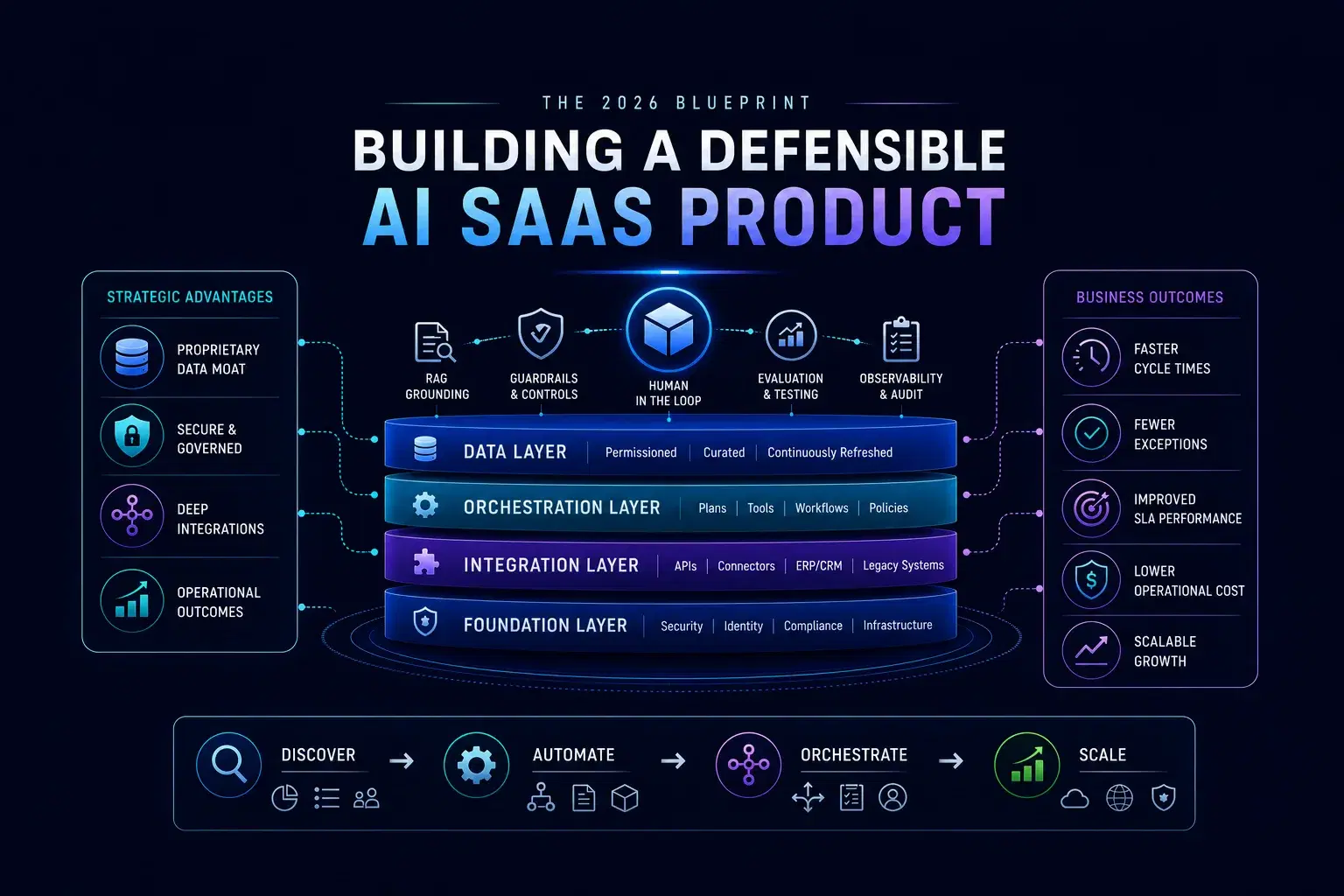
Defensibility in 2026 comes from proprietary data, reliable workflow execution, and standards-based interoperability—not from prompt tricks on public models.
Related work
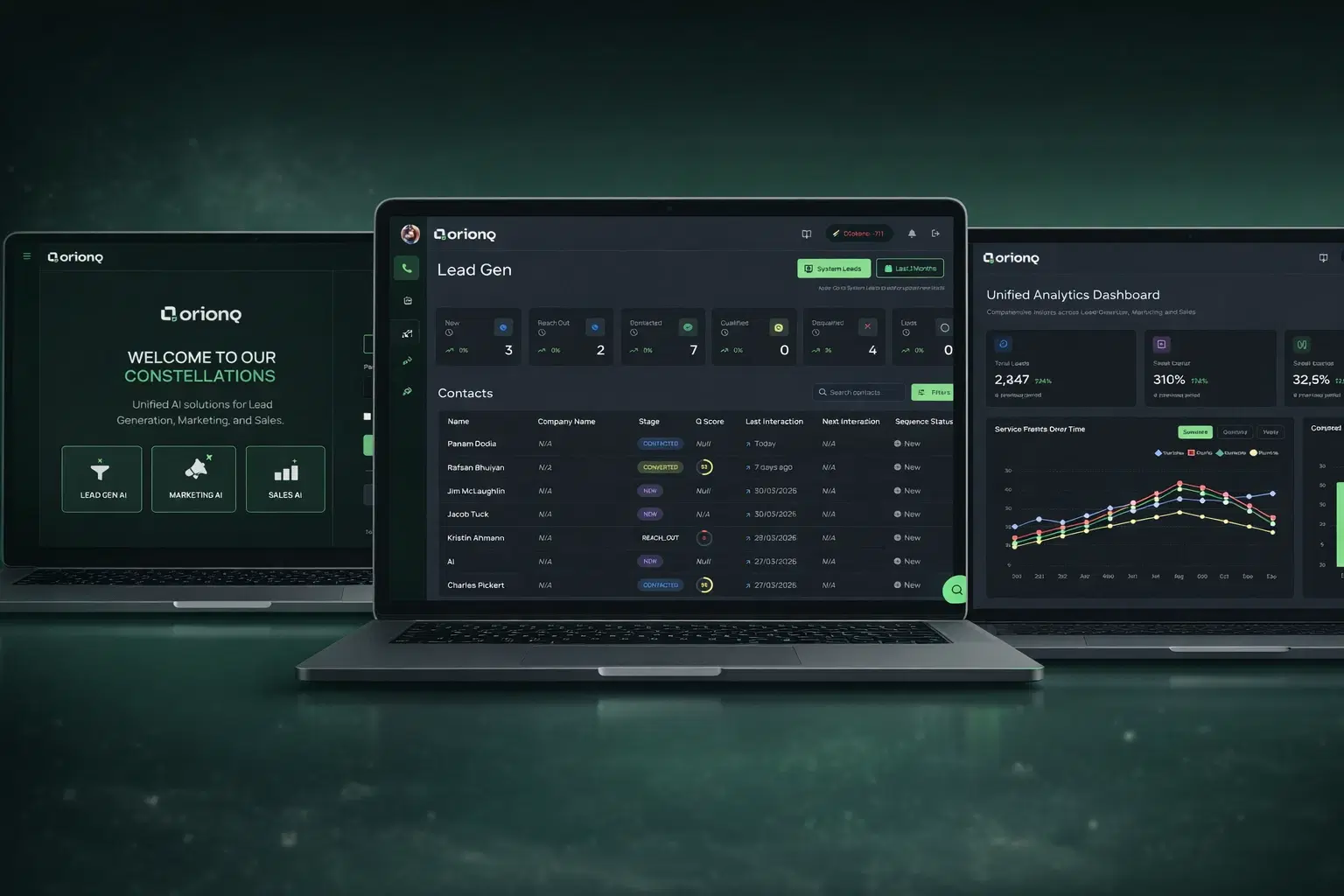
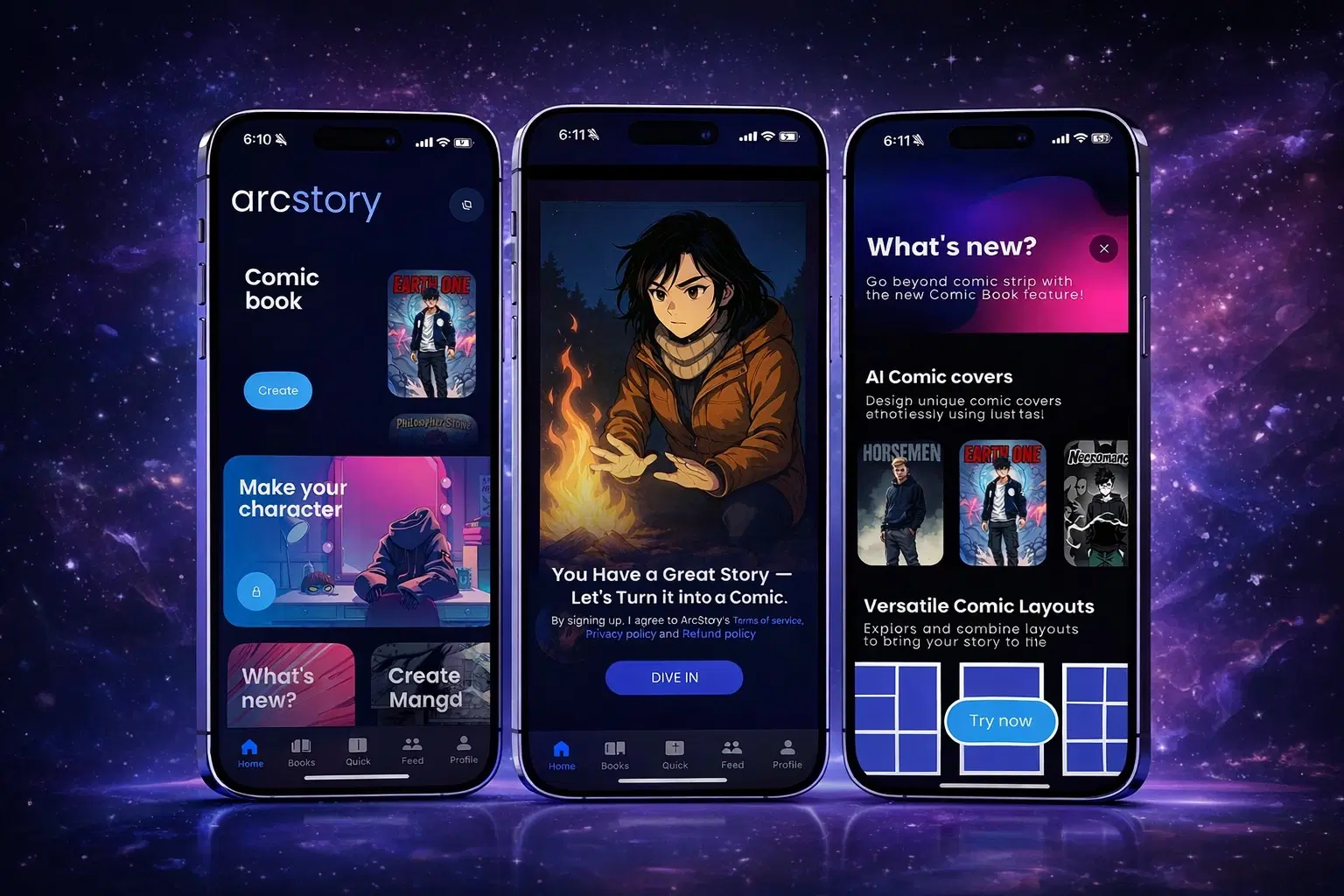
Production builds that connect to this topic—open a case study or jump to our portfolio.

If you are planning an AI-native SaaS product in 2026, the market has already moved past the “wrapper” phase. Buyers—especially CTOs and operations leaders—are not impressed by a thin chat UI on top of a public API. They are buying outcomes: fewer exceptions, faster cycle times, measurable SLA improvements, and integrations that do not require a multi-year rip-and-replace program.
This guide defines what “defensible” means in practice, how to structure a product roadmap for an AI SaaS company, and which architectural choices create durable differentiation. It is written for teams building AI SaaS development services, internal platforms, or vertical SaaS where reliability and data access matter as much as model quality.
Entity definitions (GEO-friendly)
- AI-native SaaS: a product where model-driven automation is part of the core workflow—not an add-on feature.
- Defensible architecture: a system that remains hard to replicate because of proprietary data, workflow depth, integrations, and operational controls—not because of secret prompts.
- Model Context Protocol (MCP): an interoperability pattern for exposing tools, data, and policies to agents in a standardized way (commonly discussed in 2025–2026 agent ecosystems).
- Retrieval-Augmented Generation (RAG): retrieving trusted snippets from your own documents/datastores before generating an answer or action plan.
From wrappers to moats: what changed
In 2023–2024, many teams competed on “access to models.” In 2026, model access is table stakes. Differentiation is more likely to come from: (1) proprietary, permissioned data that improves decisions in your domain, (2) execution—actually completing tasks across systems with guardrails, and (3) distribution—being embedded where work already happens (ERP, CRM, ticketing, finance ops).
| Dimension | Wrapper-era pattern (2023–2024) | Defensible pattern (2026) |
|---|---|---|
| Data source | Mostly public or lightly curated text | Proprietary operational data + continuous refresh + governance |
| Primary function | Generate text/images from prompts | Goal-directed task execution with tool use and approvals |
| Integration posture | Standalone assistant | Embedded workflows + sidecar integrations to legacy systems |
| Moat | Prompting tricks | Data strategy + workflow depth + reliability engineering + compliance |
A pragmatic AI product development roadmap
- Pick a wedge with measurable KPIs: reduce backlog, shorten cycle time, cut rework, improve first-time-right rates—avoid vague “productivity.”
- Define the system boundary: which tools, databases, and human approvals are in scope for v1.
- Ship evaluation harnesses early: golden datasets, regression tests for prompts/tools, and explicit success metrics per workflow step.
- Introduce RAG only where retrieval quality can be maintained: chunking, metadata, access control, and citation requirements.
- Add orchestration: multi-step plans, retries, idempotent actions, and explicit handoffs to humans (human-in-the-loop).
- Harden for production: observability, PII handling, prompt-injection defenses, and audit logs for regulated industries.
Vertical SaaS vs horizontal SaaS (and why vertical wins on moats)
Horizontal tools can win on distribution and speed. Vertical SaaS wins when you can encode domain constraints: compliance rules, unit economics, industry-specific objects (claims, shipments, work orders), and integrations that are painful to replicate. In AI terms, vertical products often have better grounding—because the data is narrower, deeper, and continuously validated by operators.
Accelerators that still require engineering discipline
Teams frequently combine no-code orchestration for experimentation with code-first frameworks for production. The pattern is not “pick a vendor and ship”—it is “pick accelerators, then invest in the boring work”: authZ, data contracts, tracing, and release discipline. Ecosystem momentum around agent frameworks and SDKs can shorten prototyping; it does not remove the need for a strong software foundation.
What CTOs evaluate in 2026
- Evidence of reliability under real data—not demo transcripts.
- Clear ownership: who is accountable when an agent mis-routes a payment, ticket, or shipment?
- Data handling: residency, retention, redaction, and third-party subprocessors.
- Operational maturity: on-call, incident response, and rollback strategies for model/tool changes.
How Silicon Tech Solutions helps
We partner with founders and product leaders to turn AI roadmaps into production systems: agent workflows, RAG pipelines, integrations with ERP/CRM, and engineering practices that survive audits and scale. If you want a workflow review focused on defensibility—not slides—book a working session with our team.
Frequently asked questions
Related articles
Why Most Founders Underestimate...
Why Enterprise Customers Ask for Features You Never Planned (And How to Architect for Them Early)
Enterprise buyers rarely reject SaaS products over core workflow features. Deals stall over compliance, security, and identity infrastructure. Learn how to architect for enterprise readiness from day one.
13 min read · SaaS & Product Engineering
Engineering Decisions That Become Expensive Later
Why Most SaaS Products Become Hard to Scale (And It's Usually Not Because of Traffic)
When software velocity hits a brick wall, founders blame infrastructure. But true scalability bottlenecks are hidden inside your database schemas, hardcoded permissions, and tightly coupled business logic.
14 min read · SaaS & Product Engineering
MVP & Product Architecture
The Hard Parts of Building an MVP: Decisions That Become Expensive Later
We’ve watched dozens of products grow. The catastrophic failures rarely happen because of bad business ideas; they happen because early, unchecked tech decisions trap your velocity right when you land your first enterprise pilot.
14 min read · SaaS & Product Engineering
Strategic Foundations
The Great AI SaaS Pricing Crisis: Seats vs. Agents
AI agents are breaking the old SaaS pricing equation. When one autonomous workflow can replace a five-person ops squad, founders need pricing models based on usage, outcomes, and value created—not seats.
9 min read · SaaS & Product Engineering
Vertical Deep-Dives
AI Agents for Customer Success: Reducing Churn and Scaling Retention
Customer success teams are buried in reactive work. AI agents that predict churn, automate health scoring, and draft proactive outreach let CSMs focus on the relationships and decisions that only humans can handle.
13 min read · SaaS & Product Engineering
Strategic Foundations
AI-First MVP Development: How Startups Ship Agentic Products in 8 Weeks
Eight weeks is enough to validate an AI product hypothesis—if you make the right scope decisions from day one. This guide covers the architecture, sprint model, and production gates that separate shipped MVPs from eternal prototypes.
13 min read · SaaS & Product Engineering
Plan your next build with us
Book a working session to review workflows, integrations, or AI architecture—or send a message and we'll respond within one business day.