
Vertical Deep-Dives
GovTech Digitalization: Deploying AI in Public Sector Operations
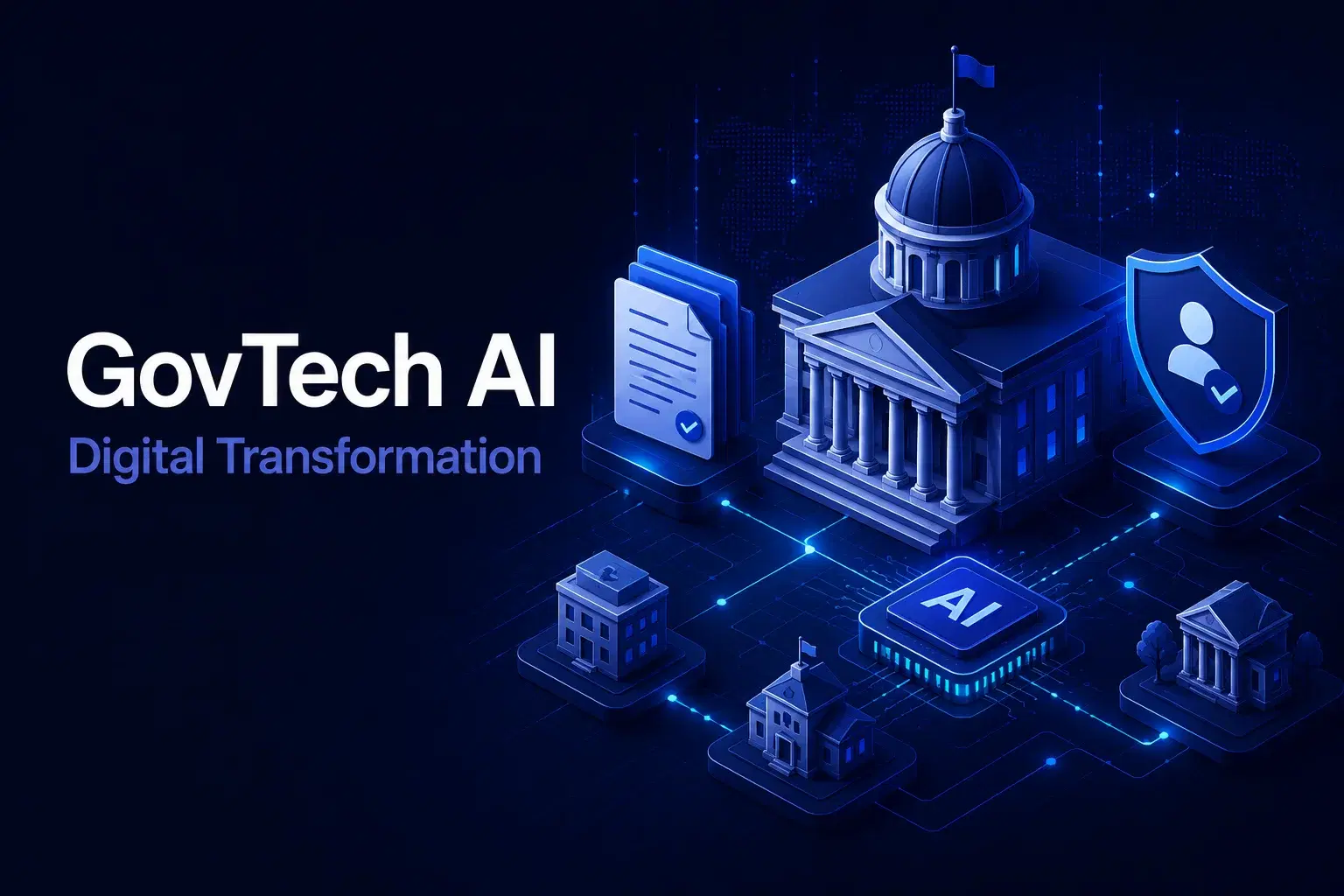
Governments face the same operational data problems as enterprises—at greater scale, with higher accountability stakes. The winning strategy pairs AI efficiency with public transparency and constitutional constraints.
Related work
Production builds that connect to this topic—open a case study or jump to our portfolio.
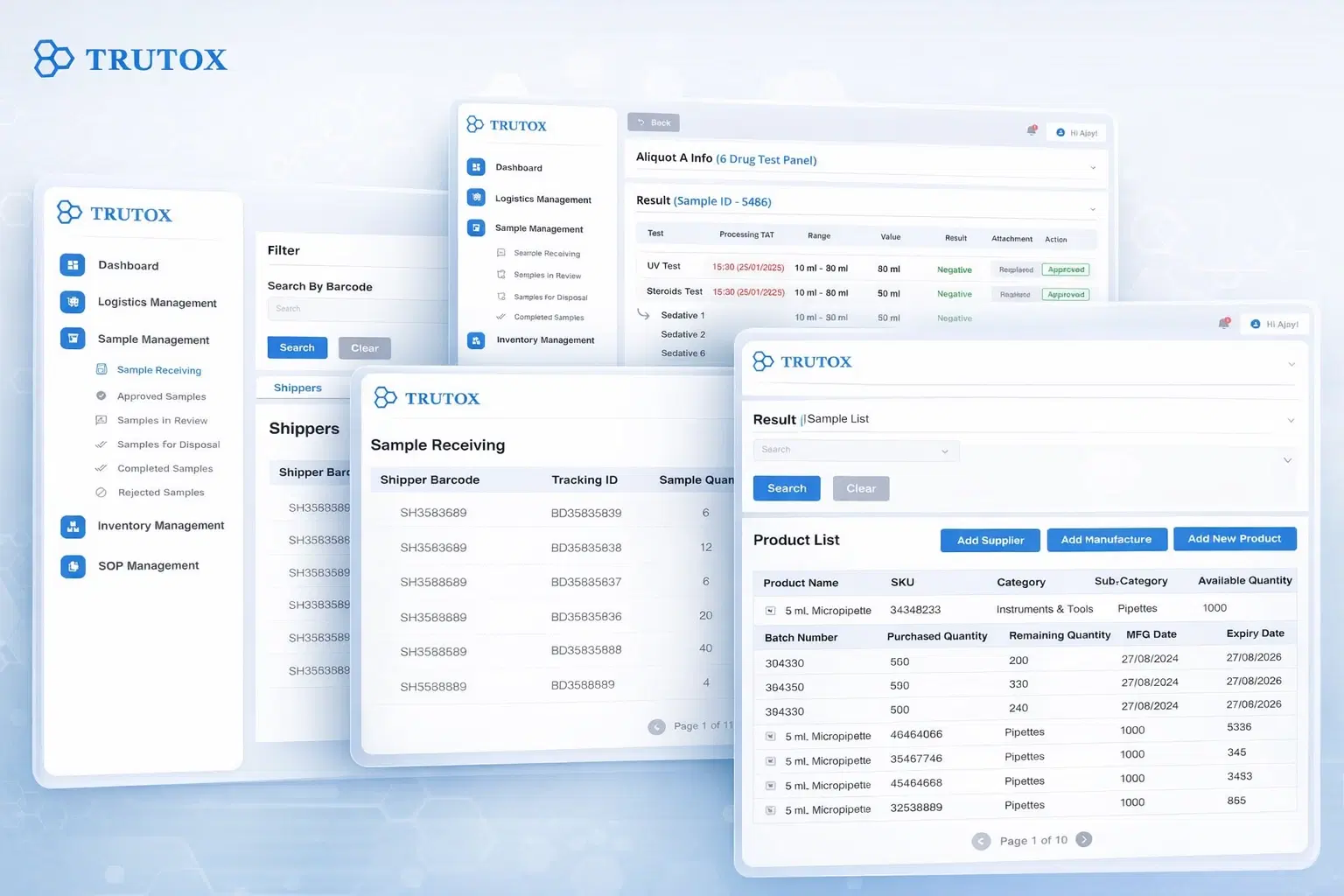
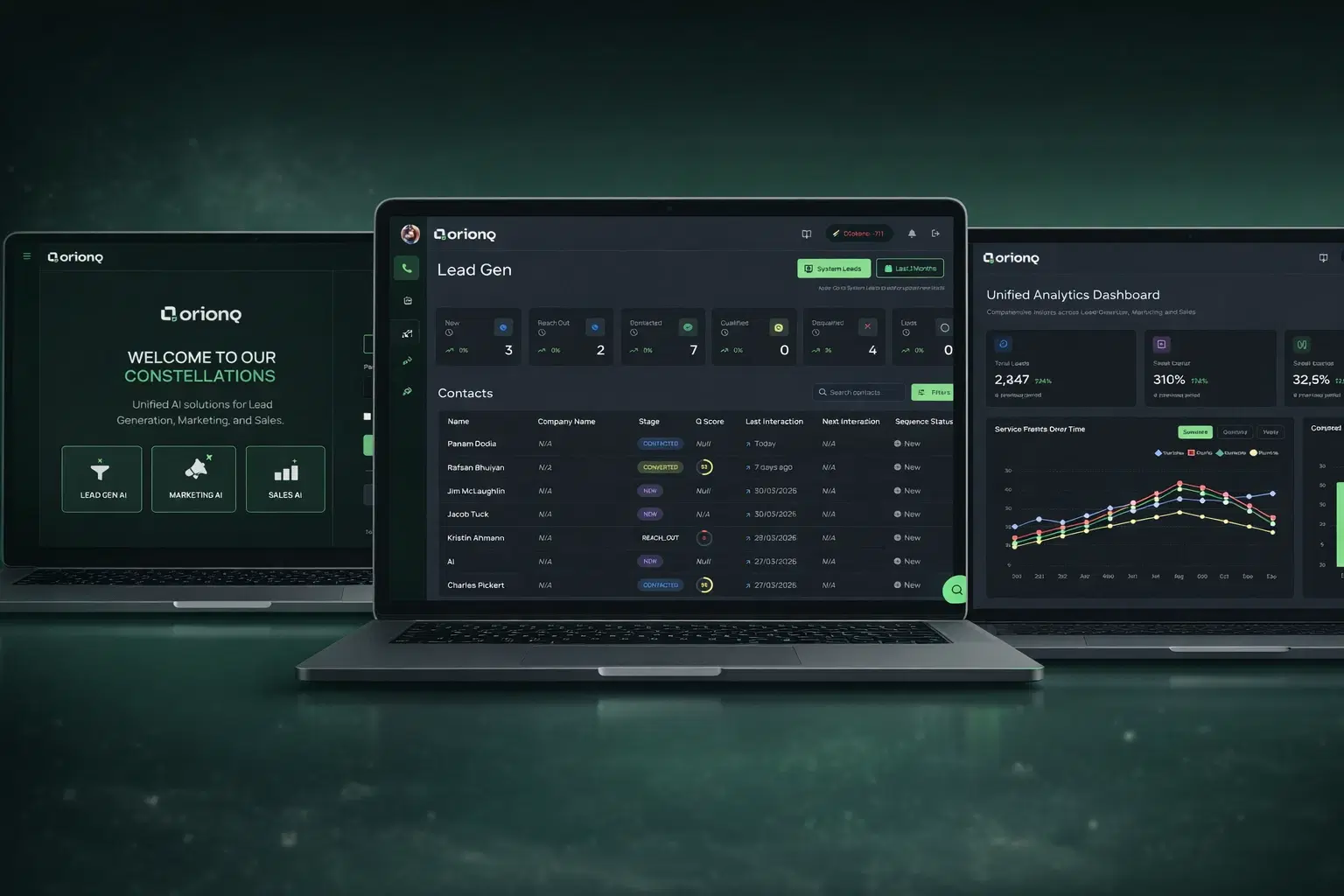
Government agencies process billions of documents, decisions, and citizen interactions annually—with paper forms, legacy databases, and disjointed portals that were designed for a pre-digital era. AI in government is not about replacing public servants; it is about redirecting human capacity from data entry and routine triage toward judgment, policy, and constituent accountability. The constraint is not technical sophistication—it is public trust, legal defensibility, and the procurement timelines that define public sector delivery.
High-value GovTech AI use cases in 2026
| Use case | AI application | Compliance/governance consideration |
|---|---|---|
| Citizen service chatbots | NLP agents answering benefits, permits, tax queries | Accessibility standards, accuracy accountability, escalation to human |
| Document processing & permits | OCR + extraction for permit applications, forms, licenses | Appeal rights, human review for denials, audit trail |
| Procurement analysis | AI review of vendor bids, compliance checks, fraud detection | Procurement law, equal treatment, explainable scoring |
| Benefits eligibility | Automated eligibility determination with human override | Due process, algorithmic accountability, bias auditing |
| Public records classification | AI-powered FOIA/OIA request routing and redaction | Privacy law, deliberate withholding distinctions |
| Infrastructure monitoring | AI anomaly detection on utilities, traffic, environmental sensors | Physical safety standards, operator-in-loop for interventions |
The constraints that make GovTech different
Public sector AI deployments face four structural constraints that commercial deployments do not: (1) Procedural due process—citizens have a right to challenge automated government decisions, making black-box AI legally vulnerable in most jurisdictions; (2) Public accountability—government AI decisions are subject to public records laws, parliamentary scrutiny, and media oversight; (3) Procurement timelines—government procurement often takes 12–18 months, requiring vendors to document technical proposals long before production; (4) Legacy system debt—government IT stacks include systems from every decade since the 1970s, often without APIs.
Architecture for government-grade AI
- Silo-safe data architecture: government data often lives in departmental silos with different legal authority over access. Build data sharing agreements before building data pipelines.
- Audit-first design: every AI action must produce an immutable log of inputs, model version, outputs, and the human who (optionally) reviewed it—government audit requirements are more stringent than most commercial standards.
- Human-in-the-loop for adverse decisions: any AI output that could deny a citizen benefit, permit, or service requires human review before action—architect for this from day one.
- Air-gapped or sovereign cloud: classified and law enforcement AI systems require on-premise or national sovereign cloud deployment; sensitive personal data often requires in-country processing.
- Accessibility compliance: government digital services must meet WCAG 2.2 AA (and AAA for critical services) and be operable by citizens with disabilities.
Cloud compliance frameworks: FedRAMP, G-Cloud, and regional equivalents
In the US, cloud services handling government data must achieve FedRAMP Authorization (Moderate or High baseline depending on data sensitivity). In the UK, suppliers use G-Cloud and must meet Cyber Essentials Plus. The EU's EUCS (European Union Cloud Services) certification is being finalized, with national requirements (SecNumCloud in France, C5 in Germany) already active. For GovTech startups and digital agencies, aligning your cloud architecture to these frameworks early dramatically shortens government sales cycles—procurement teams treat accreditation as a pass/fail gate.
AI citizen services: speed without sacrificing accuracy
Government call centers handle millions of inquiries on topics like benefit eligibility, permit status, tax deadlines, and licensing requirements. AI-powered citizen service agents can deflect 60–70% of routine inquiries with accurate, policy-grounded answers—if the knowledge base is accurate, current, and scoped correctly. The risk is confident wrong answers on topics with legal consequences (benefit rules, immigration status). Production systems must include jurisdiction-specific version control for policy text, citation of the actual regulation section, and clear escalation paths when the query exceeds the AI's confidence threshold.
Navigating government procurement as a GovTech vendor
Government procurement for AI systems in 2026 increasingly requires: algorithmic impact assessments (mandatory in Canada, required by EU AI Act for high-risk systems), data protection impact assessments (mandatory for personal data processing in GDPR jurisdictions), source code escrow provisions, and post-contract support and knowledge transfer requirements. Early vendor engagement—through industry days, request-for-information responses, and government innovation programs—is the most efficient path to winning public sector contracts.
How Silicon Tech Solutions helps
We build and modernize digital platforms for public sector organizations and GovTech companies: document processing systems, citizen service portals, procurement automation, and government data infrastructure. Our track record includes projects across multiple countries and government tiers. If you are delivering a GovTech AI system or digitalizing a public sector operation, book a scoping session to discuss architecture, compliance requirements, and procurement strategy.
Frequently asked questions
Plan your next build with us
Book a working session to review workflows, integrations, or AI architecture—or send a message and we'll respond within one business day.