
Vertical Deep-Dives
HR Operations in the AI Economy: Automating Recruitment and Resource Management
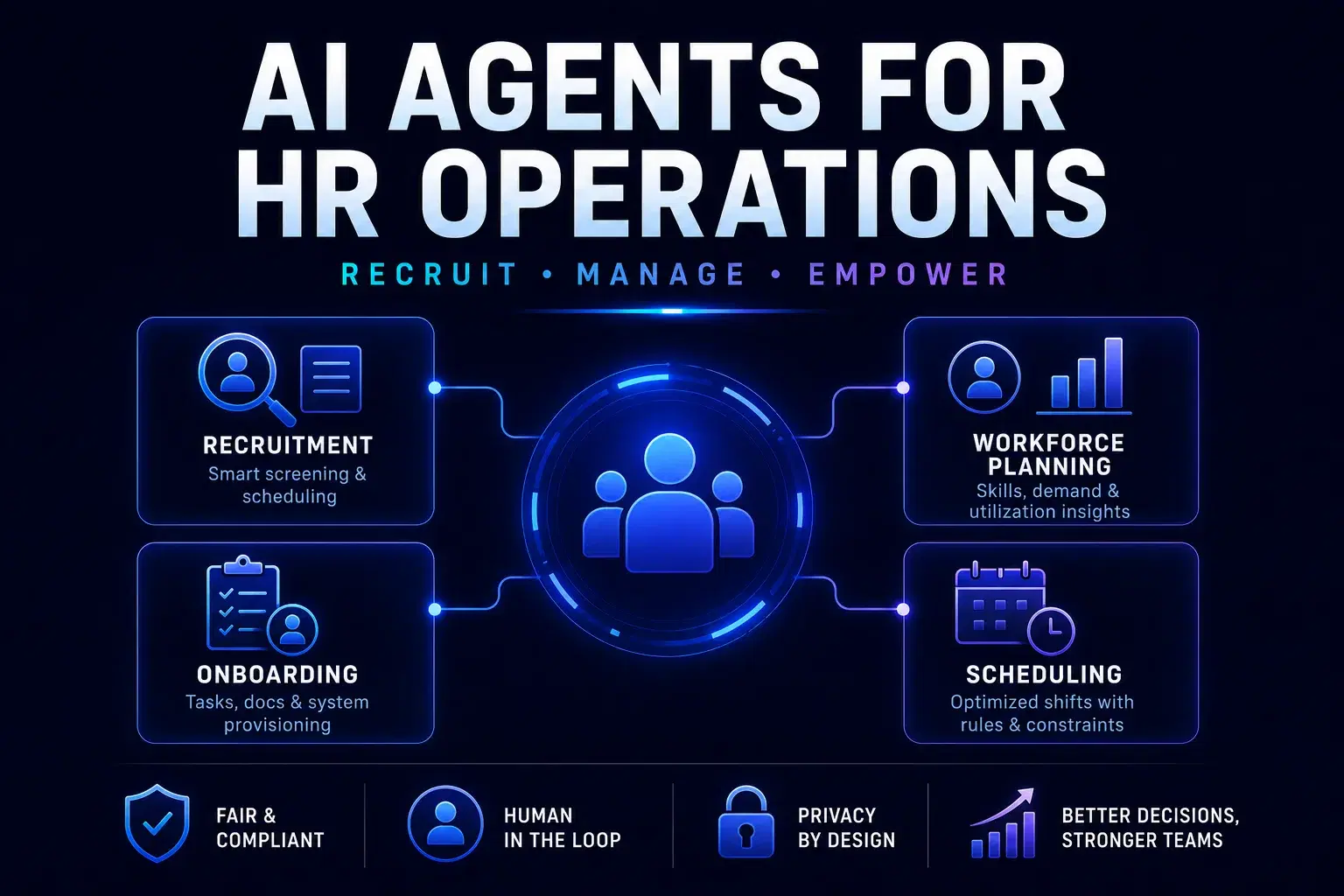
HR’s bottleneck is coordination—candidates, managers, payroll, and compliance. AI works when it reduces cycle time on repeatable work while keeping humans accountable for fairness and policy.
Related work
Production builds that connect to this topic—open a case study or jump to our portfolio.
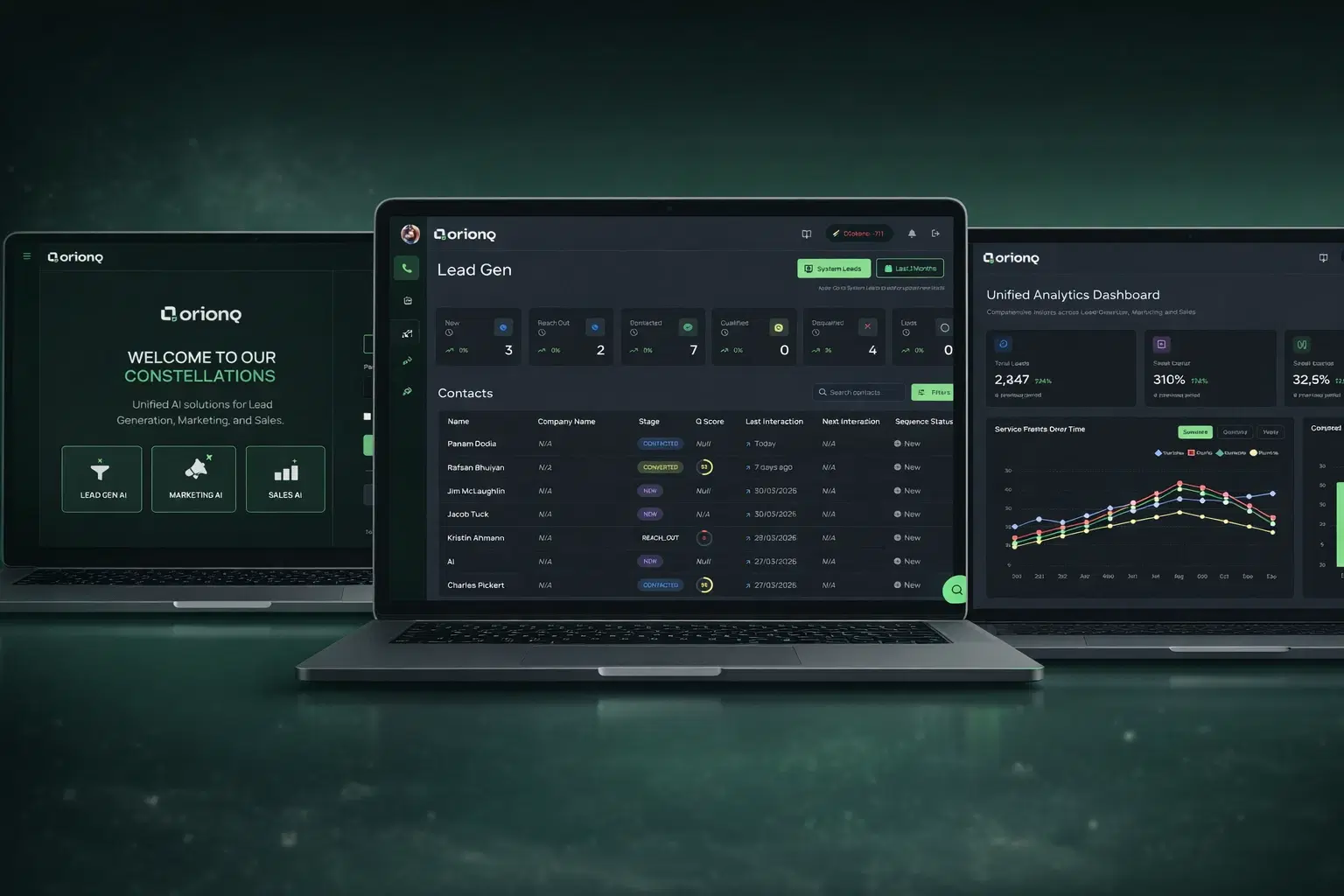

Human resources is a system of workflows disguised as a department: hiring, onboarding, benefits, time tracking, performance cycles, and workforce planning. AI can accelerate administrative throughput and surface insights—but it must respect privacy, anti-discrimination obligations, and regional labor rules. The best programs start with narrow, high-friction processes where automation saves real calendar time for HRBPs and managers.
Role-based AI: what to automate first
- Candidate screening assistance: structured intake, skills extraction, and scheduling—never opaque “scores” without audit trails.
- Onboarding orchestration: task lists, document collection, system provisioning status in one place.
- Internal mobility: matching internal candidates to roles using skills data you already maintain.
- Workforce scheduling: shift optimization with fatigue rules, certifications, and union or policy constraints.
Risk and fairness: non-negotiables
Automated hiring decisions that lack transparency create legal and reputational exposure. Mature teams log what data was used, allow human override, and periodically test for disparate impact by cohort. Sentiment analysis on employee surveys can help spot burnout trends—but anonymization and minimum group sizes matter before acting on insights.
Resource management: utilization without burnout
Professional services and delivery organizations care about utilization—the fraction of billable or productive time. Small improvements (one to two points) can materially affect revenue at scale, but chasing utilization without capacity buffers destroys quality. Good systems model skills, project pipelines, and time-off; they flag mismatches early rather than optimizing spreadsheets after the quarter ends.
| Process | Before | After (target direction) |
|---|---|---|
| Time-to-schedule interviews | Many email rounds | Self-serve slots + reminders |
| Onboarding task completion | Spreadsheet tracking | Single workflow with owners |
| Internal role fill time | Informal networks only | Skills-based search + referrals |
Integration reality: HRIS is the system of record
AI features fail when employee data is fragmented across ATS, HRIS, learning systems, and IT directories. A pragmatic roadmap centralizes identity and job data, defines authoritative fields, and integrates read/write boundaries carefully—especially for global employers with differing contracts and policies.
How we help
Silicon Tech Solutions builds internal platforms and integrations for operations-heavy teams. If you are automating HR workflows or resource planning, we can help you ship secure, maintainable systems—not brittle scripts.
Frequently asked questions
Plan your next build with us
Book a working session to review workflows, integrations, or AI architecture—or send a message and we'll respond within one business day.