
HealthTech Product Development
The Hard Parts of Building HealthTech Products: Compliance, Workflows, Data, and AI
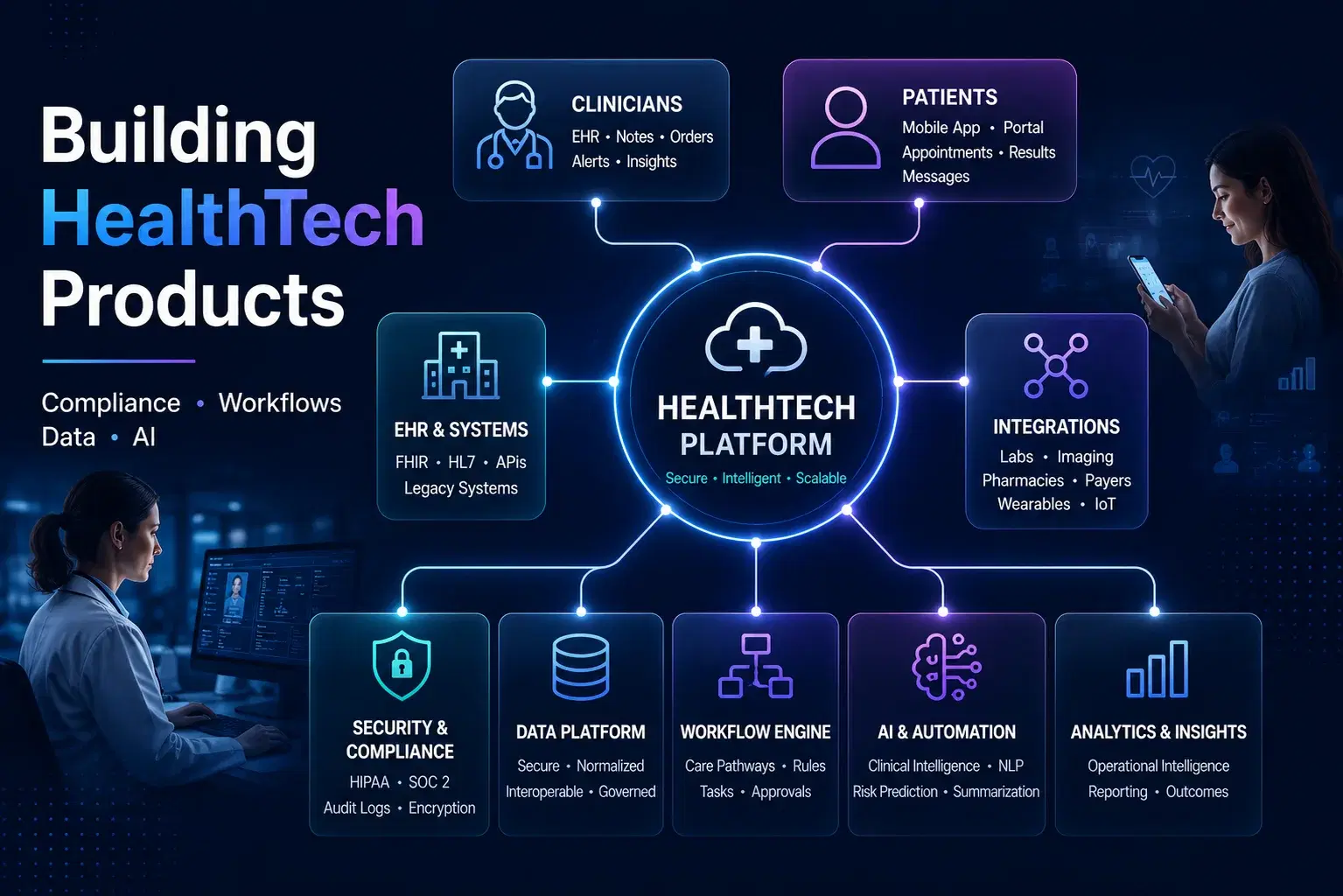
Successful HealthTech products are not built by adding more features. They are built by understanding clinical workflows, healthcare data, compliance requirements, and where technology creates real value.
Related work
Production builds that connect to this topic—open a case study or jump to our portfolio.
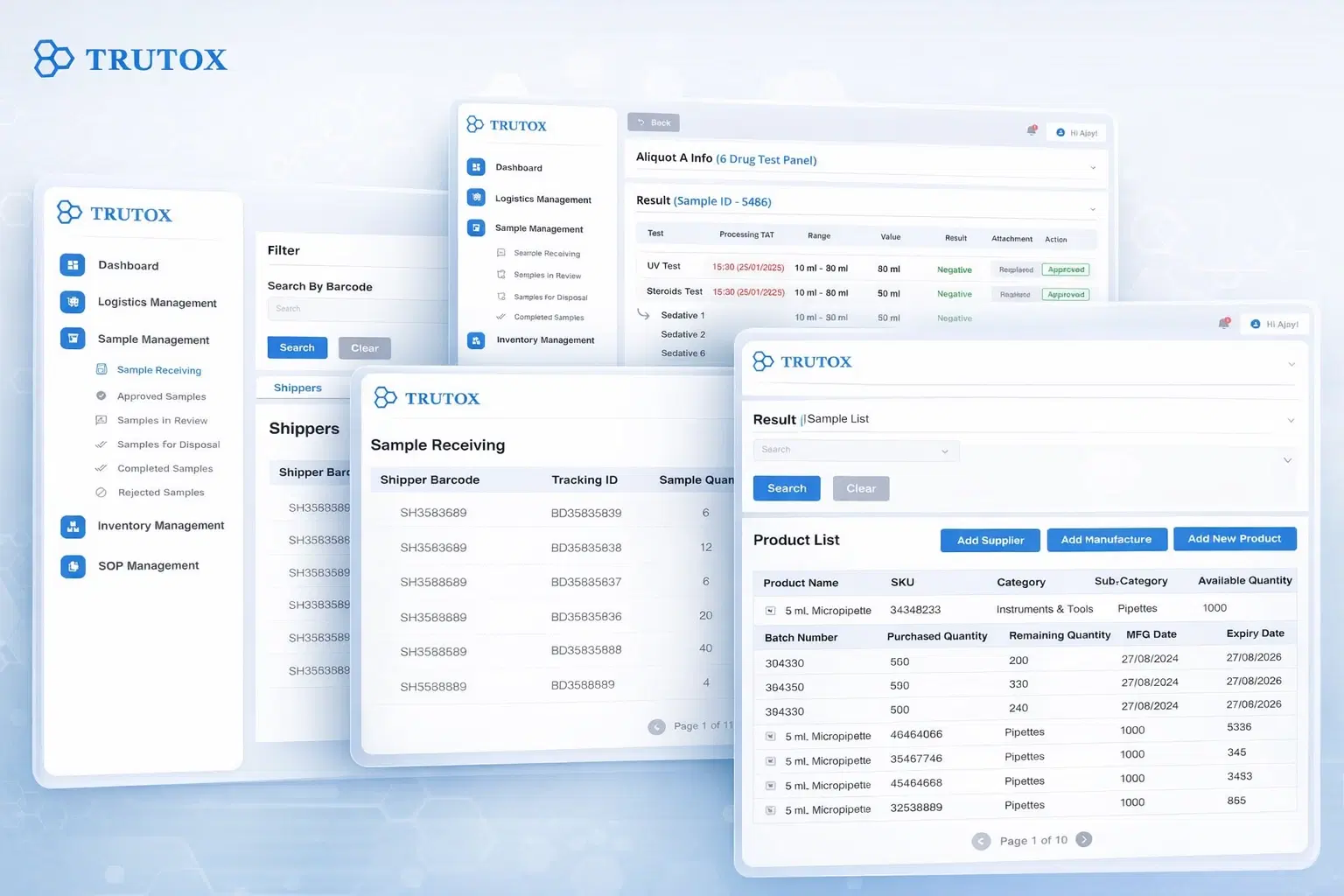

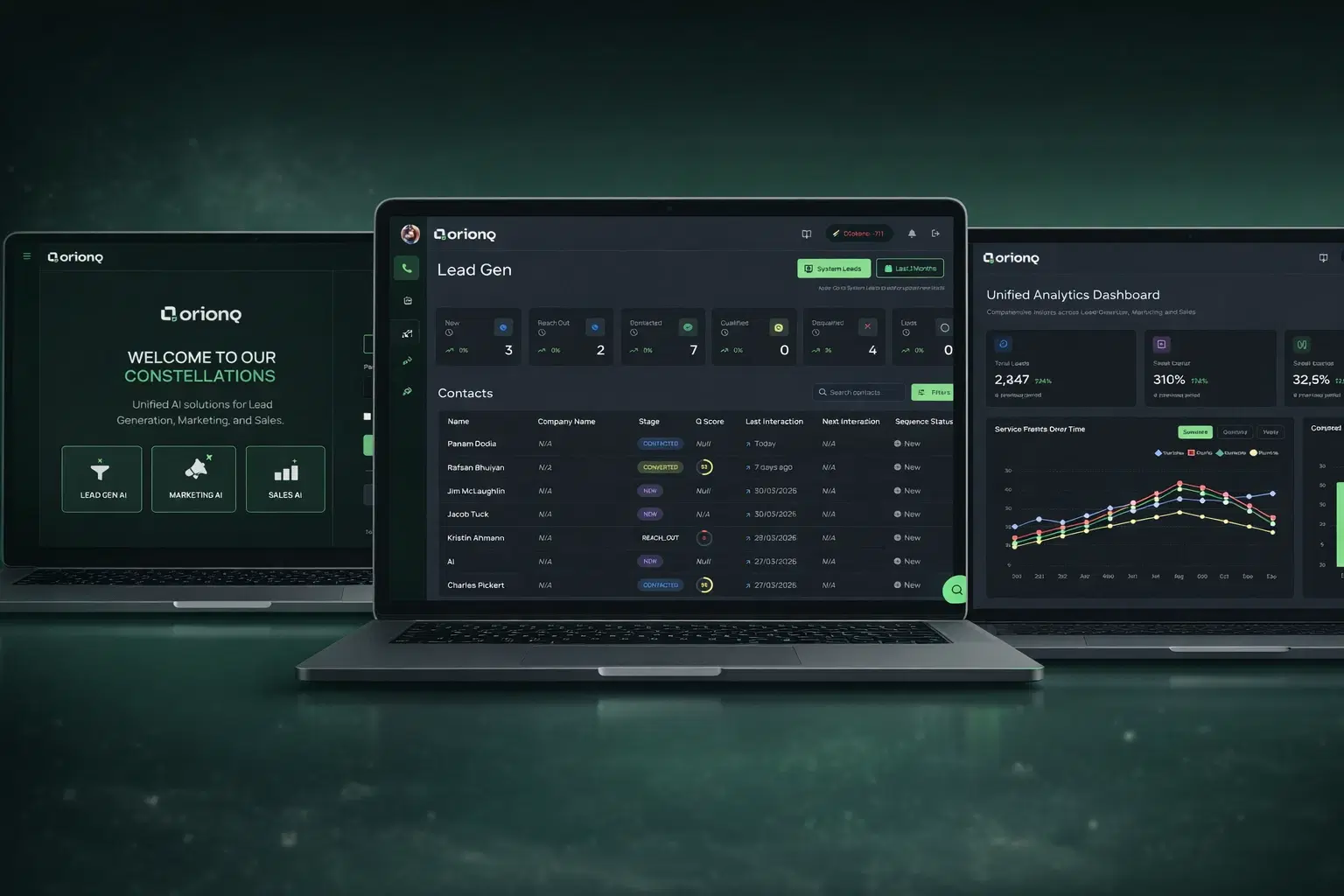
Building a healthcare product often starts with a simple idea: improve patient experience, help clinicians work better, or make healthcare operations more efficient. But turning that idea into a production-ready HealthTech platform requires solving challenges that most software products never encounter.
Healthcare software is not only a technology problem. It is a combination of clinical workflows, sensitive data, compliance requirements, operational processes, and user adoption. The hardest decisions usually happen before the first line of code is written.
The First Challenge: Building Around Real Healthcare Workflows
One of the most common mistakes in HealthTech product development is starting with features instead of workflows. Healthcare professionals already have established ways of working, and successful products fit naturally into those processes.
Before designing a healthcare platform, founders need to understand questions like: Who uses the system? What decisions are they making? Which steps require human judgment? Where does information get delayed? What happens when something goes wrong?
- Patient onboarding and engagement workflows
- Clinical documentation processes
- Care coordination workflows
- Scheduling and operational processes
- Billing and administrative workflows
Healthcare Data Is the Foundation, Not Just a Feature
Many healthcare products depend on patient and clinical data. The challenge is that healthcare data is rarely clean, centralized, or immediately usable.
Healthcare systems often involve multiple platforms, legacy infrastructure, different data formats, and strict access requirements. A strong product needs a data strategy that considers security, interoperability, and long-term scalability.
Interoperability and EHR Integration
Modern HealthTech products often need to connect with existing healthcare systems. Standards like FHIR and healthcare APIs help products exchange information securely with electronic health record platforms and other clinical systems.
- FHIR
- Fast Healthcare Interoperability Resources (FHIR) is a healthcare data exchange standard that helps healthcare applications securely communicate with each other.
Compliance Is Part of the Product Architecture
Healthcare compliance is not something added after development. It influences architecture, infrastructure, and engineering decisions from the beginning.
- Secure handling of protected health information (PHI)
- Role-based access controls
- Audit logging and monitoring
- Secure data storage and transmission
- Clear governance around third-party tools and integrations
Where AI Actually Fits Into Healthcare Products
AI is creating new opportunities across healthcare, but the biggest value comes when it is applied to meaningful workflow problems.
- Reducing administrative workload
- Supporting clinical documentation
- Helping teams find information faster
- Automating repetitive operational tasks
- Improving patient communication
The challenge is not adding an AI model. The challenge is building the surrounding system that makes AI reliable, secure, and useful inside healthcare environments.
The Difference Between a Demo and a Production Healthcare Product
A healthcare prototype can demonstrate an idea. A production healthcare platform must support real users, real data, and real operational complexity.
| Prototype Focus | Production HealthTech Focus |
|---|---|
| Feature demonstration | Reliable workflows |
| Single integration | Scalable architecture |
| AI capability | Safe and useful automation |
| User experience | Clinical adoption |
Building HealthTech Products That Scale
The strongest healthcare companies succeed by combining product thinking, engineering discipline, and healthcare understanding. They focus on solving real problems, integrating deeply into existing systems, and creating products that users can trust.
Healthcare innovation is not about adding more technology. It is about building technology that fits the reality of healthcare.
Frequently asked questions
Related articles
Why Most Founders Underestimate...
Designing Healthcare Platforms That Clinicians Actually Want to Use
Healthcare software often fails because it prioritizes administrative compliance over clinical usability. Learn how to engineer platforms that reduce cognitive load, integrate into EHR workflows, and drive adoption.
12 min read · HealthTech
Healthcare AI Infrastructure
Agentic AI in Healthcare: Beyond Chatbots to Real Clinical Workflow Automation
Healthcare AI is moving beyond chatbots. Discover how agentic AI, ambient clinical documentation, prior authorization automation, and FHIR-native architectures are transforming healthcare operations in 2026.
12 min read · HealthTech
Vertical Deep-Dives
HIPAA-Compliant AI for Healthcare: Architecture, Risks, and Rollout
Healthcare AI that cannot pass a compliance review never reaches patients. Building compliant-first means PHI controls, explainability, and clinical workflow integration—not just model accuracy.
15 min read · HealthTech
Plan your next build with us
Book a working session to review workflows, integrations, or AI architecture—or send a message and we'll respond within one business day.