
Healthcare AI Infrastructure
Agentic AI in Healthcare: Beyond Chatbots to Real Clinical Workflow Automation
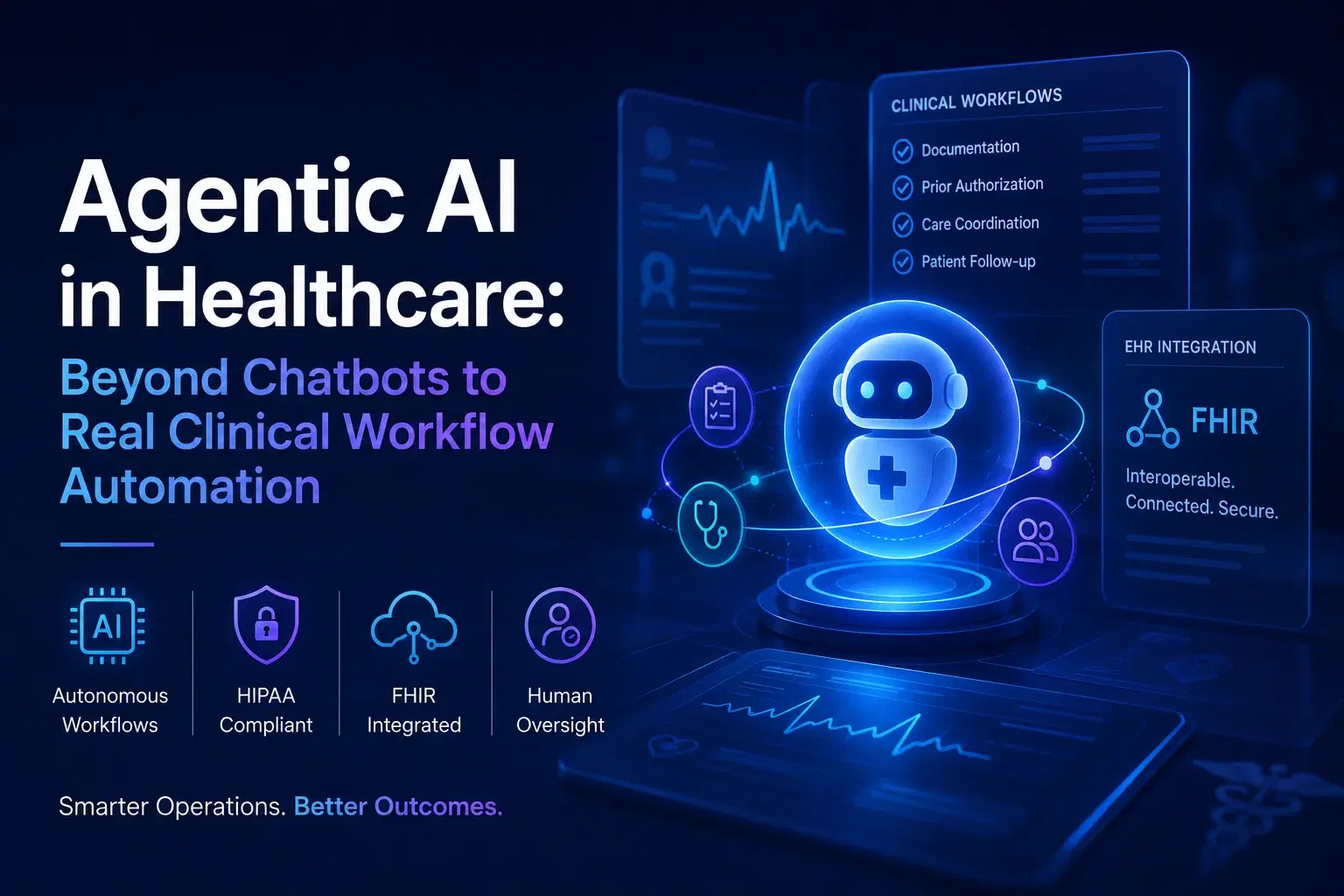
Healthcare AI is moving beyond chatbots. Discover how agentic AI, ambient clinical documentation, prior authorization automation, and FHIR-native architectures are transforming healthcare operations in 2026.
Related work
Production builds that connect to this topic—open a case study or jump to our portfolio.
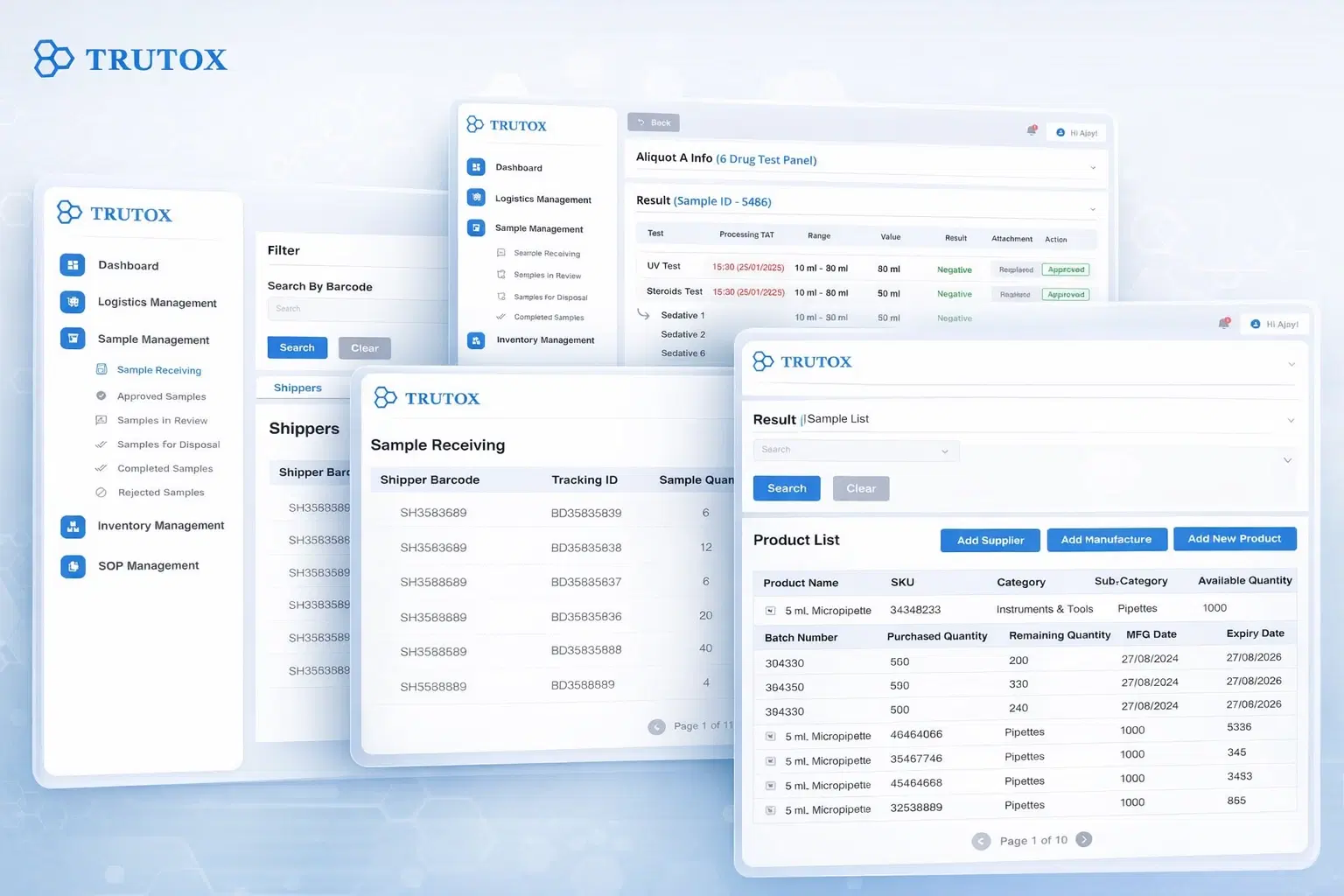
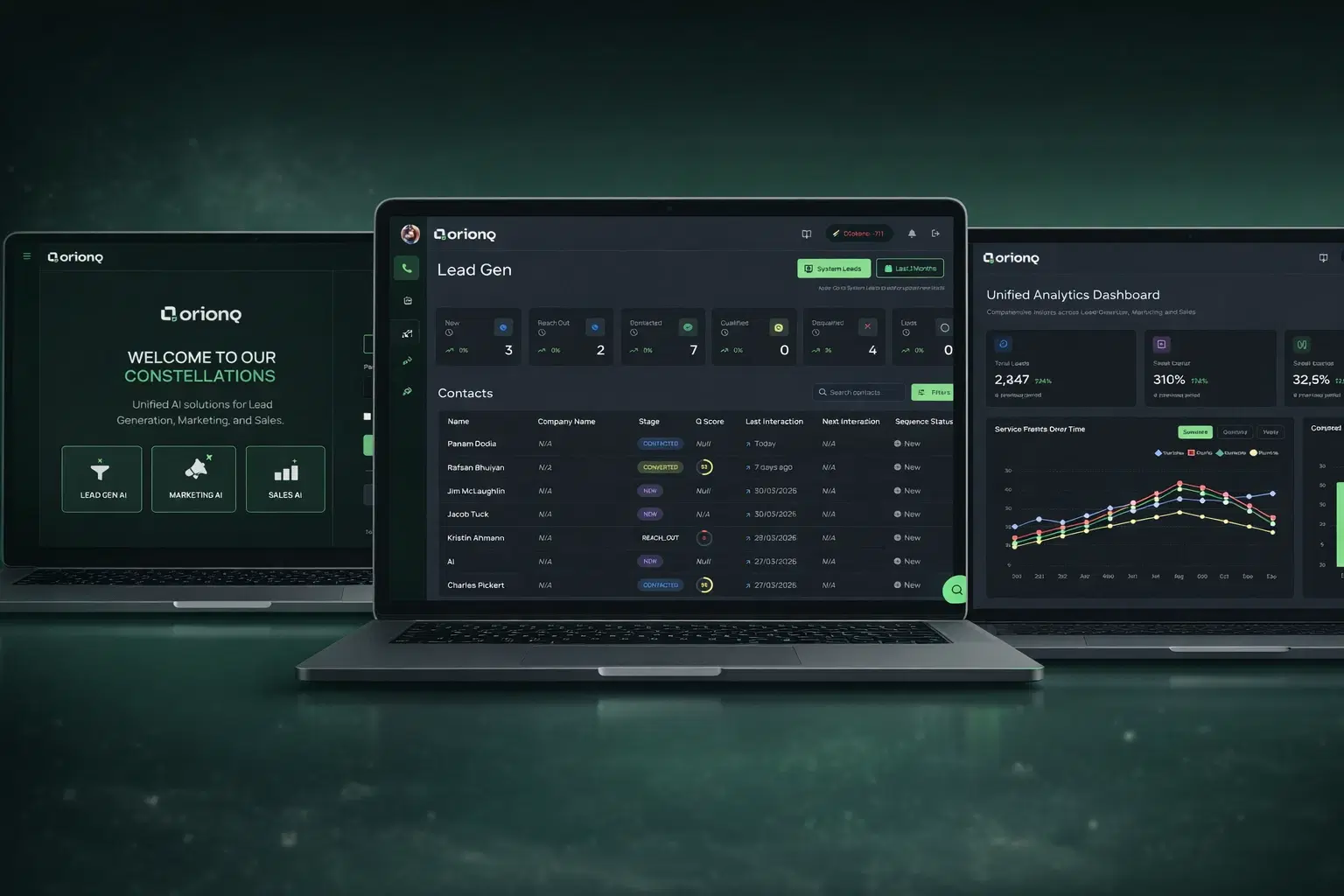

For the last two years, healthcare AI has largely been associated with chatbots and generative AI pilots. In 2026, that trend is evolving into something much larger: autonomous workflow execution. HealthTech companies are deploying AI systems that not only generate information but also help coordinate, automate, and accelerate real healthcare operations.
Why Healthcare AI Is Entering a New Phase
The first wave of healthcare AI focused on patient chatbots, clinical search tools, and note generation. The new generation of healthcare AI platforms is focused on workflow automation. Organizations are increasingly investing in AI systems that reduce administrative burden, improve care coordination, and integrate directly into clinical operations.
- Automated patient intake workflows
- Clinical documentation generation
- Prior authorization assistance
- Care coordination support
- Revenue cycle automation
- Patient communication workflows
The Healthcare AI Use Cases Scaling Fastest
Ambient Clinical Documentation
Ambient clinical documentation solutions automatically generate structured medical notes from clinician-patient conversations. These systems reduce documentation burden, improve physician productivity, and help healthcare organizations combat clinician burnout.
Prior Authorization Automation
Prior authorization remains one of the largest operational bottlenecks in healthcare. AI copilots can assist staff by gathering documentation, preparing submission packages, and streamlining administrative review processes while maintaining human oversight.
Clinical Workflow Copilots
Healthcare organizations are increasingly deploying AI copilots that assist with care coordination, coding workflows, discharge planning, patient engagement, and operational decision-making. These systems augment healthcare professionals rather than replace them.
Compliance Has Become the Product
Many startups focus on model accuracy. Healthcare buyers focus on risk. Before evaluating AI performance, hospitals typically evaluate compliance, security, auditability, governance, and interoperability requirements.
- HIPAA compliance controls
- PHI protection mechanisms
- Comprehensive audit logging
- Role-based access controls
- Human-in-the-loop review workflows
- Security monitoring and incident response
FHIR Interoperability Is Becoming a Competitive Advantage
Healthcare AI depends heavily on access to clinical data. Founders building healthcare platforms are increasingly investing in FHIR-native architectures, healthcare APIs, secure data pipelines, and interoperability layers that allow AI systems to integrate seamlessly with existing clinical systems.
- FHIR
- Fast Healthcare Interoperability Resources (FHIR) is a healthcare data exchange standard that enables secure and standardized interoperability between healthcare systems.
Healthcare AI Architecture Priorities for 2026
| Priority | Business Impact | Implementation Focus |
|---|---|---|
| HIPAA Compliance | Enterprise Trust | Security and Governance |
| FHIR Integration | Data Accessibility | Interoperability |
| Clinical Workflow Automation | Operational Efficiency | Process Orchestration |
| Human Oversight | Risk Reduction | Governance |
| AI Observability | Production Reliability | Monitoring and Auditing |
What HealthTech Founders Should Focus On
The healthcare market is moving beyond AI experimentation. The next generation of successful HealthTech companies will be those that build HIPAA-compliant, interoperable, workflow-focused AI systems that deliver measurable operational improvements while fitting seamlessly into clinical environments.
The winners in healthcare AI will not be the companies with the most impressive demos. They will be the companies whose AI becomes invisible infrastructure inside everyday clinical workflows.
Frequently asked questions
Related articles
Why Most Founders Underestimate...
Designing Healthcare Platforms That Clinicians Actually Want to Use
Healthcare software often fails because it prioritizes administrative compliance over clinical usability. Learn how to engineer platforms that reduce cognitive load, integrate into EHR workflows, and drive adoption.
12 min read · HealthTech
HealthTech Product Development
The Hard Parts of Building HealthTech Products: Compliance, Workflows, Data, and AI
Successful HealthTech products are not built by adding more features. They are built by understanding clinical workflows, healthcare data, compliance requirements, and where technology creates real value.
10 min read · HealthTech
Vertical Deep-Dives
HIPAA-Compliant AI for Healthcare: Architecture, Risks, and Rollout
Healthcare AI that cannot pass a compliance review never reaches patients. Building compliant-first means PHI controls, explainability, and clinical workflow integration—not just model accuracy.
15 min read · HealthTech
Plan your next build with us
Book a working session to review workflows, integrations, or AI architecture—or send a message and we'll respond within one business day.