
Why Most Founders Underestimate...
Designing Healthcare Platforms That Clinicians Actually Want to Use
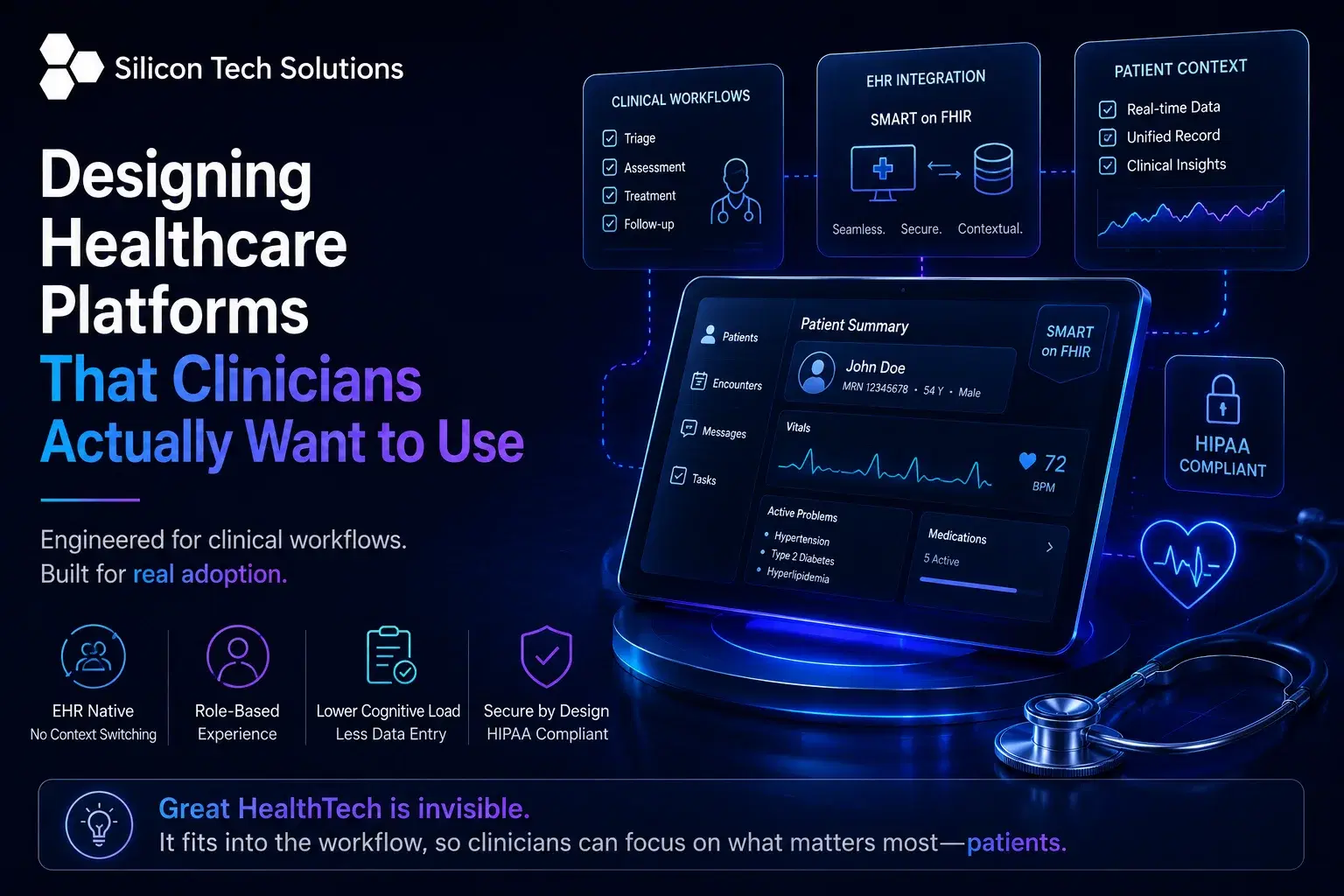
Healthcare software often fails because it prioritizes administrative compliance over clinical usability. Learn how to engineer platforms that reduce cognitive load, integrate into EHR workflows, and drive adoption.
Related work
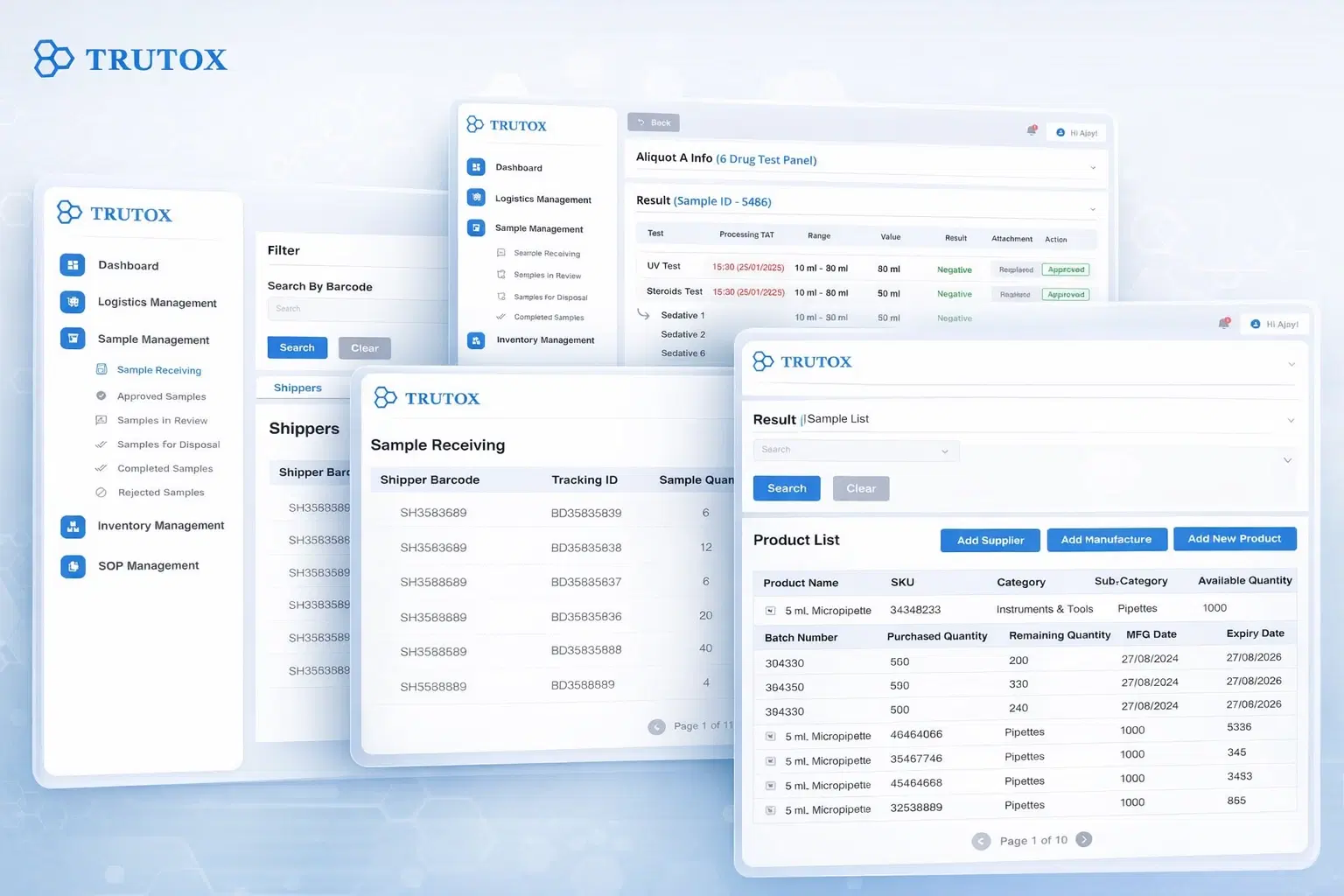
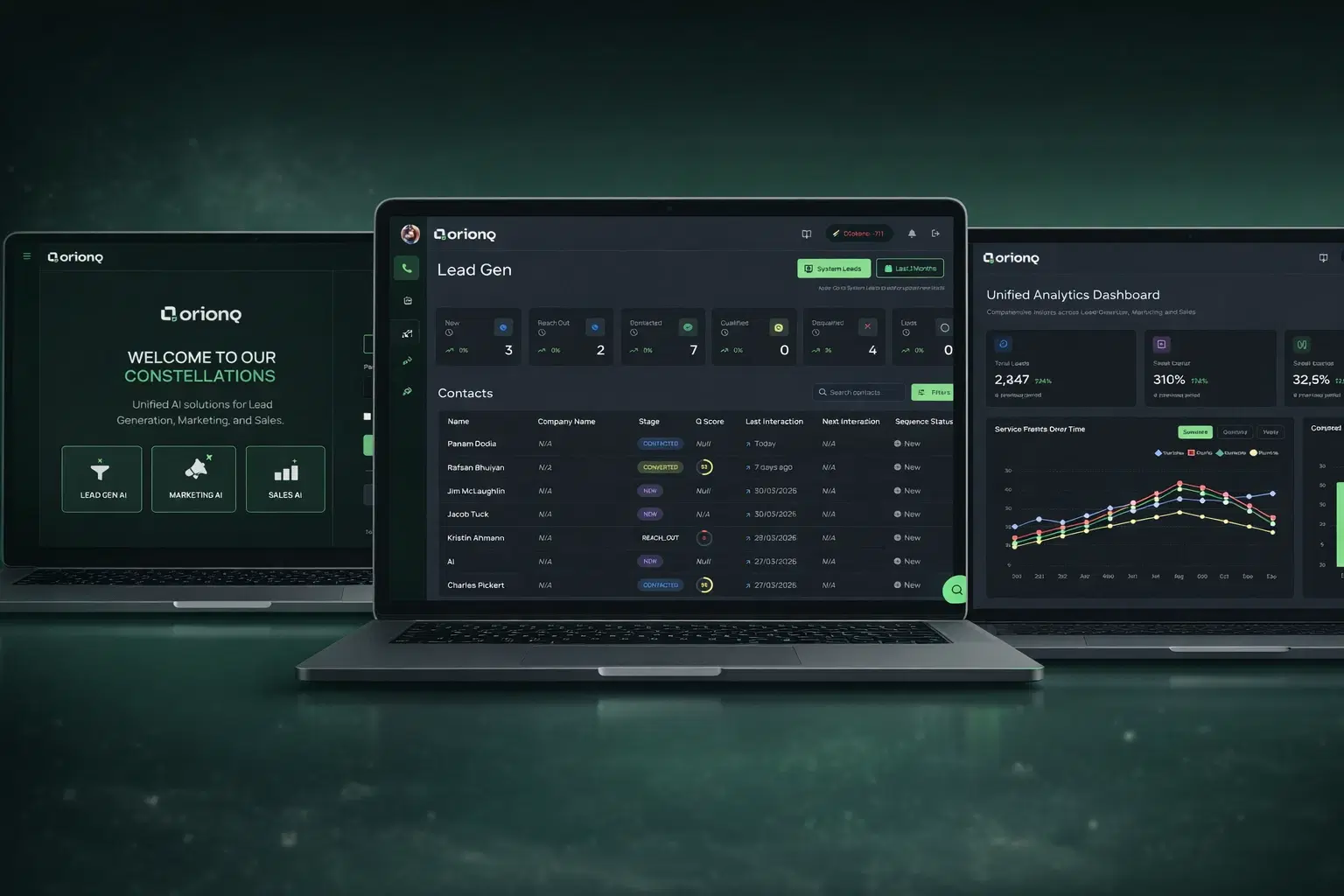
Production builds that connect to this topic—open a case study or jump to our portfolio.
The digital health landscape is littered with platforms that demonstrated impressive pilot results, secured multi-million-dollar funding rounds, and ultimately failed inside hospital systems. When post-mortems are conducted, the primary cause of failure is rarely missing features or technical bugs. Instead, it is a fundamental breakdown in clinical adoption: doctors and nurses simply refused to use the software.
For decades, enterprise healthcare software was designed for administrators, compliance officers, and medical billing departments. Clinicians were treated as captive data-entry operators forced to navigate multi-tab forms, redundant dropdown menus, and intrusive alert popups. To build a successful HealthTech product today, product engineering teams must flip this paradigm and design for zero-friction clinical context.
The Paradox of Healthcare UX: Administrative Compliance vs. Clinical Speed
In a fast-paced emergency department or outpatient clinic, every second spent fighting an interface is time taken away from patient care. Traditional SaaS design patterns—such as long onboarding sequences or multi-step modal dialogs—become immediate failure points in clinical environments.
Four Principles of Clinician-Centric Product Engineering
Creating software that clinicians eagerly integrate into their daily routines requires aligning your architectural choices directly with the realities of care delivery.
| Design Flaw in Legacy Systems | Clinical Reality | Modern Product Engineering Solution |
|---|---|---|
| Standalone Portal Logins | Clinicians manage 10-15 software tools daily and reject new login credentials. | Embedded SMART on FHIR apps launching natively inside existing EHR windows. |
| Generic One-Size Interfaces | Nurses, specialists, and primary care doctors need vastly different patient data views. | Role-driven contextual dashboards rendering specific clinical data parameters. |
| Alert Fatigue & Popups | Constant non-critical popups cause doctors to dismiss critical safety warnings blindly. | Asynchronous event queues filtering alerts by urgency, patient status, and severity. |
| Manual Structured Data Entry | Physicians spend 2 hours typing for every 1 hour spent on direct patient care. | Ambient voice capture and automated structured data parsing via tailored APIs. |
1. Native EHR Integration (Zero Context-Switching)
If your platform requires a doctor to open a separate browser tab, manually copy a Patient ID, and re-authenticate, your adoption funnel is broken. Modern platforms leverage SMART on FHIR protocols to embed application interfaces directly within Epic, Cerner, or Athenahealth. The clinician opens your tool within their existing workflow with the active patient context automatically loaded.
2. Eliminating Alert Fatigue Through Intelligent Prioritization
A major contributor to clinician burnout is 'alert fatigue.' When software interrupts a physician's flow for minor data validation checks, dangerous warnings get ignored. Product engineering must implement intelligent alert filters—reserving synchronous modal interruptions strictly for immediate patient safety hazards while streaming secondary updates into asynchronous event feeds.
3. Role-Based Dynamic Data Architecture
A cardiologist reviewing an ECG history requires a completely different data hierarchy than a triage nurse assessing vital signs. Rather than building a static, bloated dashboard containing every available field, engineer role-aware UI layouts that pull strictly the required FHIR resource parameters based on user credentials and clinical intent.
HealthTech Deployment Readiness Checklist
Before scheduling a clinical pilot inside a hospital unit or clinic network, evaluate your product against these usability and engineering benchmarks:
- Does the application launch inside the EHR without requiring a secondary username and password?
- Can a primary workflow action be completed in three clicks or fewer?
- Is data auto-saved asynchronously to prevent work loss during unexpected network drops or workstation lockouts?
- Are audit logs tracking record access silently without degrading front-end user latency?
- Alert Fatigue
- The state of cognitive exhaustion experienced by clinicians who are exposed to an excessive number of frequent software safety alerts, leading to delayed responses or the passive dismissal of critical clinical warnings.
Great HealthTech engineering is invisible. The best healthcare software doesn't feel like a new system to learn—it feels like a natural extension of a clinician's existing diagnostic instinct.
Frequently asked questions
Related articles
HealthTech Product Development
The Hard Parts of Building HealthTech Products: Compliance, Workflows, Data, and AI
Successful HealthTech products are not built by adding more features. They are built by understanding clinical workflows, healthcare data, compliance requirements, and where technology creates real value.
10 min read · HealthTech
Healthcare AI Infrastructure
Agentic AI in Healthcare: Beyond Chatbots to Real Clinical Workflow Automation
Healthcare AI is moving beyond chatbots. Discover how agentic AI, ambient clinical documentation, prior authorization automation, and FHIR-native architectures are transforming healthcare operations in 2026.
12 min read · HealthTech
Vertical Deep-Dives
HIPAA-Compliant AI for Healthcare: Architecture, Risks, and Rollout
Healthcare AI that cannot pass a compliance review never reaches patients. Building compliant-first means PHI controls, explainability, and clinical workflow integration—not just model accuracy.
15 min read · HealthTech
Plan your next build with us
Book a working session to review workflows, integrations, or AI architecture—or send a message and we'll respond within one business day.