
Supply Chain Product Development
The Hard Parts of Building Supply Chain & Logistics Software: Visibility, Integrations, Data, and Automation
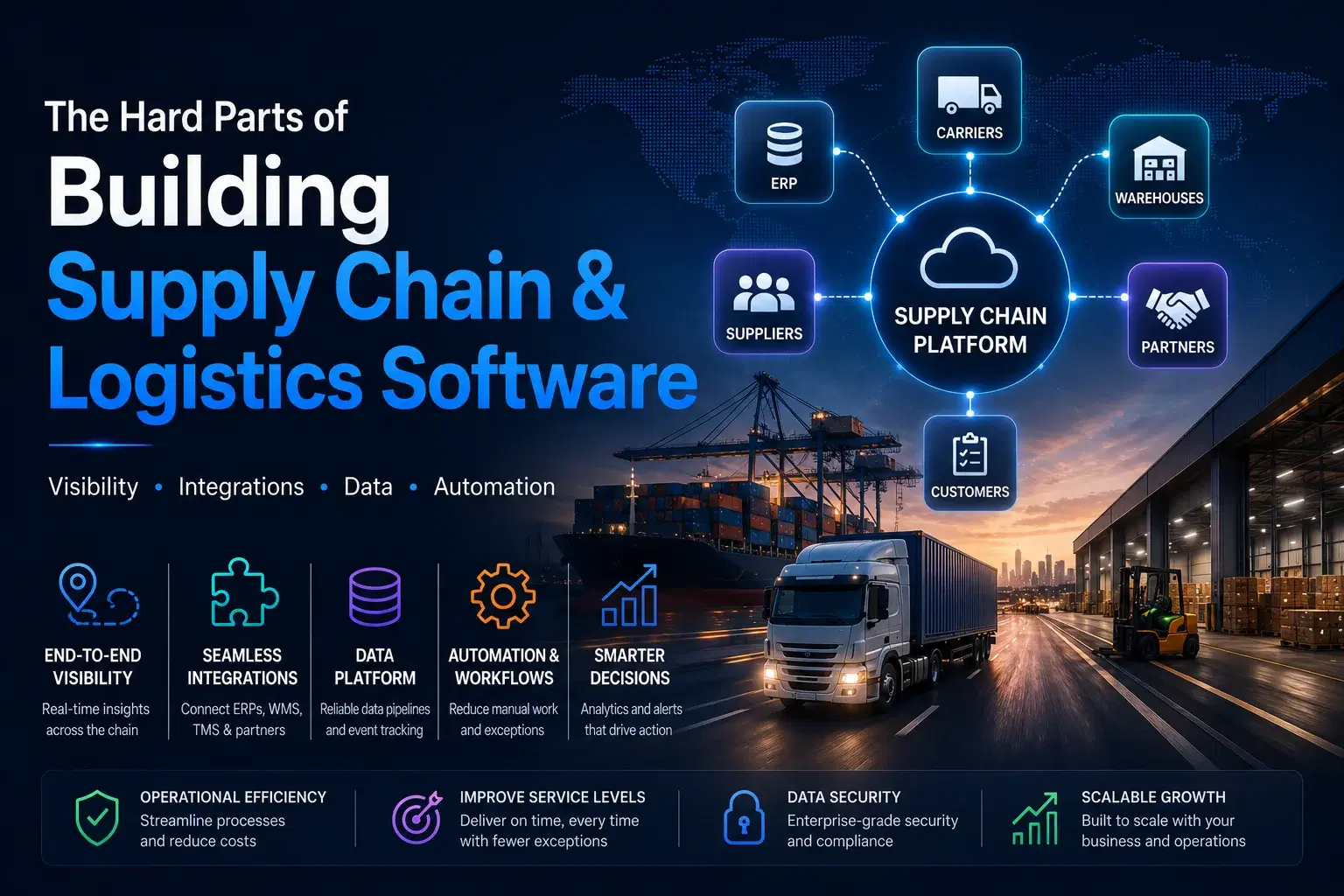
Modern supply chain products are not just tracking tools. They connect complex operations, data sources, partners, and workflows into systems teams can rely on every day.
Related work
Production builds that connect to this topic—open a case study or jump to our portfolio.


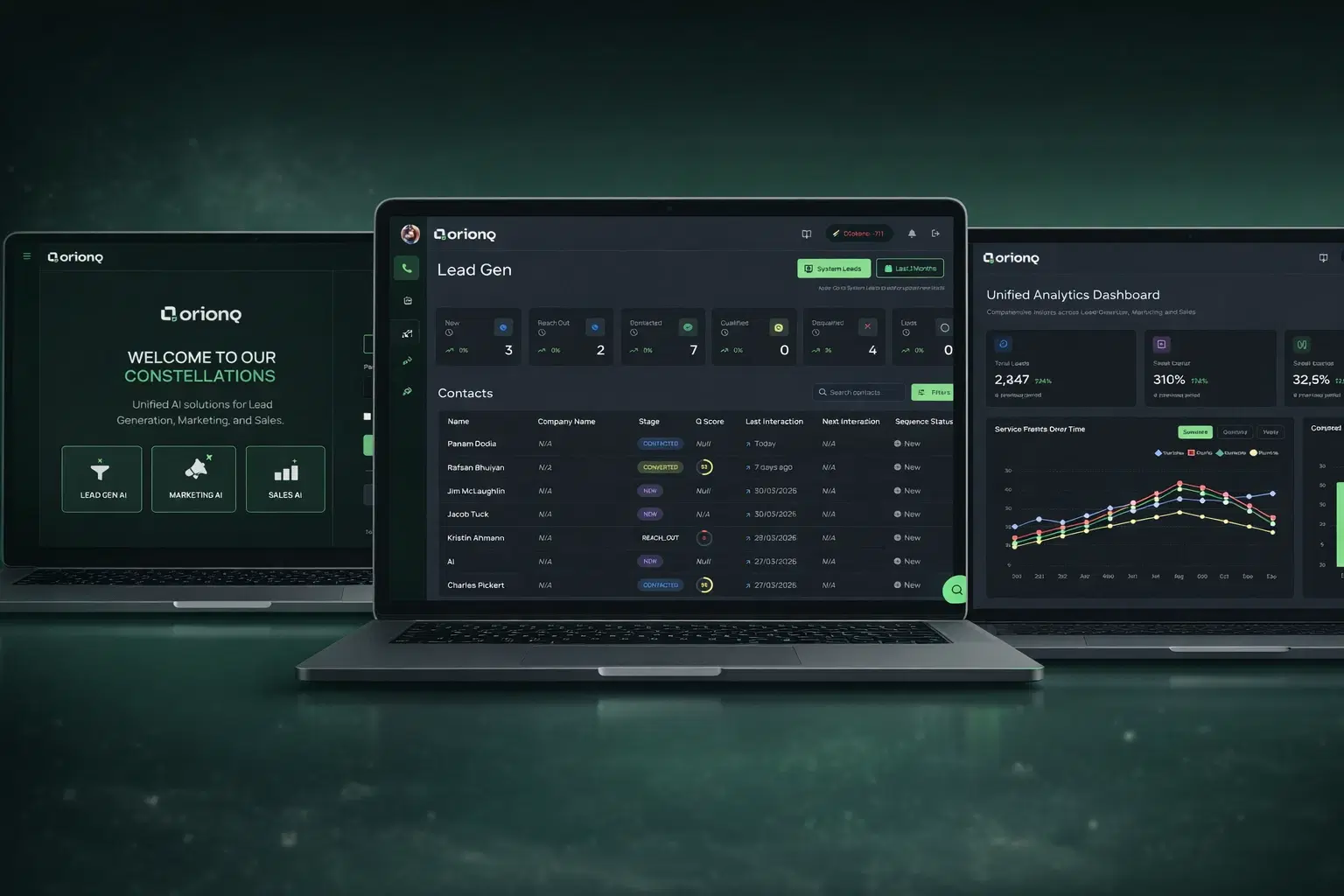
Most supply chain software ideas start with a clear business problem: shipments are difficult to track, operations are fragmented, inventory decisions are slow, or teams spend too much time coordinating manually.
But turning that idea into a reliable logistics platform is much harder than building a dashboard. Supply chain products sit in the middle of complex operations involving suppliers, warehouses, carriers, customers, and multiple software systems.
The hardest part is not creating screens. It is designing a system that accurately represents how goods, information, and decisions move through the real world.
The First Challenge: Understanding the Real Supply Chain Workflow
A logistics product can only succeed when it matches the operational reality of the teams using it. Supply chain workflows often look simple from the outside but contain many hidden decisions and exceptions.
- How orders are created and processed
- How inventory moves between locations
- How shipments are planned and tracked
- How delays and exceptions are handled
- How teams communicate with partners
Before building features, founders need clarity on which operational problems the product is solving and where it fits inside existing processes.
Supply Chain Visibility Is More Than a Tracking Dashboard
Many logistics products begin with the goal of providing visibility. But real visibility requires more than displaying shipment locations.
A useful supply chain platform needs to bring together information from different sources and turn it into operational awareness.
- Shipment status updates
- Inventory availability
- Warehouse activity
- Carrier information
- Supplier updates
- Delivery exceptions
The Integration Challenge: Connecting the Supply Chain Ecosystem
Unlike many SaaS products, logistics platforms rarely operate alone. They need to communicate with the systems businesses already use.
- ERP systems
- Warehouse management systems
- Transportation management systems
- Carrier APIs
- Partner platforms
- Customer systems
The real engineering challenge is creating a reliable layer between different systems that were never designed to work together.
Data Quality Drives Operational Decisions
Supply chain decisions depend on accurate information. Poor data can lead to incorrect inventory planning, missed delivery expectations, and inefficient operations.
A strong logistics platform needs systems that collect, normalize, and organize operational data so teams can make better decisions.
- Supply Chain Control Tower
- A centralized platform that provides visibility across supply chain operations and helps teams monitor, analyze, and respond to events.
Where Automation Actually Creates Value
Automation has become an important part of modern logistics software, but the biggest impact comes from improving existing workflows rather than adding technology for its own sake.
- Automating repetitive operational tasks
- Reducing manual coordination
- Improving exception handling
- Accelerating planning workflows
- Helping teams respond faster
The goal is not to replace operations teams. The goal is to give them better systems to work with.
Building Software That Can Scale With Operations
A prototype can demonstrate an idea. A production logistics platform needs reliability, scalability, security, and the ability to handle increasing operational complexity.
| Early Product Focus | Scalable Platform Focus |
|---|---|
| Basic tracking | End-to-end visibility |
| Single workflow | Connected operations |
| Manual updates | Integrated data flows |
| Dashboard reporting | Operational decision support |
What Successful Logistics Products Get Right
The strongest supply chain companies do not simply digitize existing processes. They understand the operational challenges first and then build technology that removes friction.
Building a successful logistics platform requires product strategy, engineering experience, integration expertise, and a deep understanding of how supply chains actually operate.
Great logistics software does not just show what is happening. It helps teams understand what to do next.
Frequently asked questions
Related articles
Plan your next build with us
Book a working session to review workflows, integrations, or AI architecture—or send a message and we'll respond within one business day.